

The Real Danger of Diabetes Is Not Just High Blood Sugar—It Is Blood Vessel / Joint Damage
Many people think diabetes simply means that blood sugar is “a little too high.” In reality, one of the greatest concerns is the progressive damage that prolonged high blood sugar can cause throughout the vascular system.
Heart attacks and strokes are among the leading causes of disability and death in people with diabetes. Although high blood sugar may not cause noticeable blood vessel symptoms at first, it can silently accelerate atherosclerosis over many years.
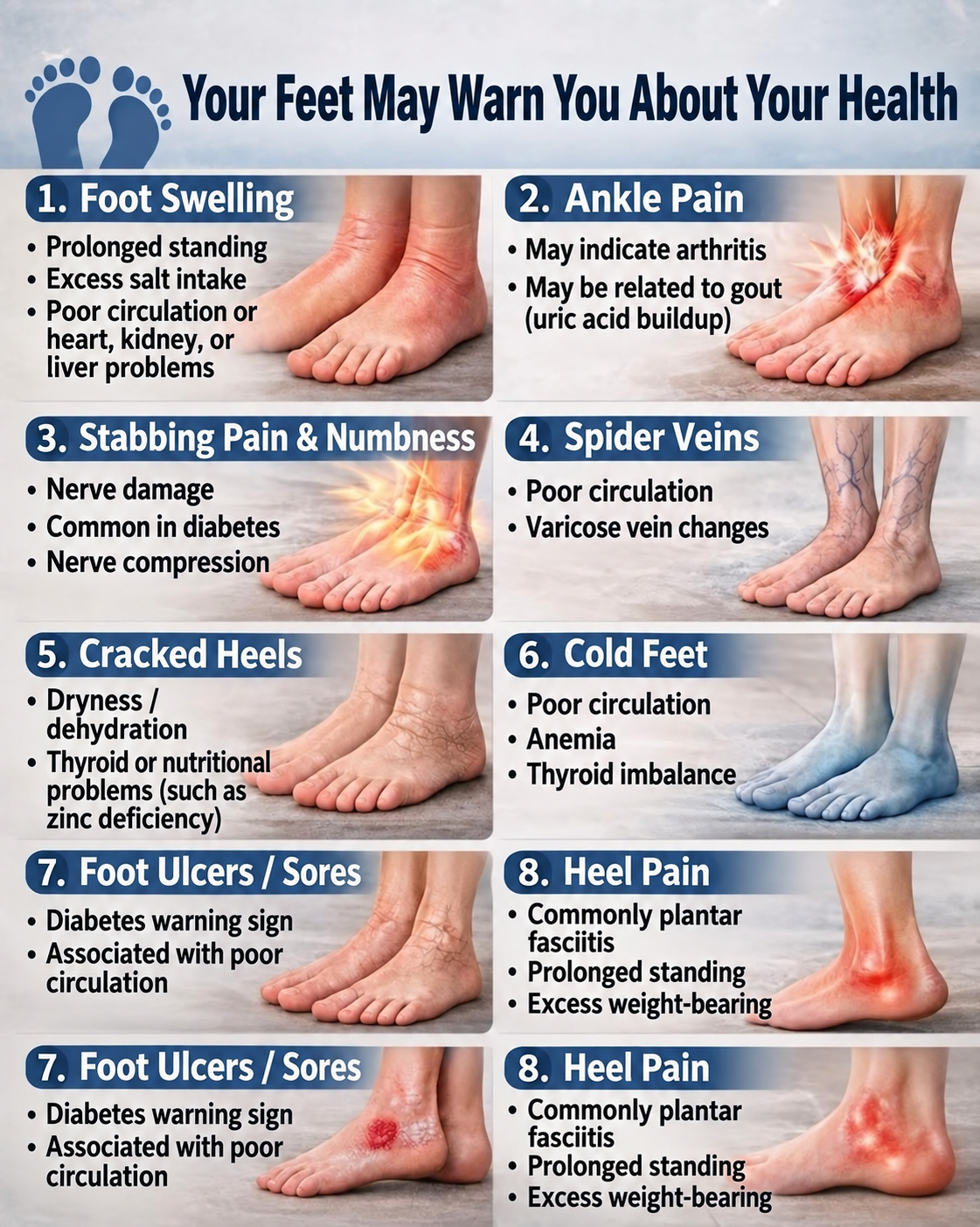
How Does High Blood Sugar Damage Blood Vessels?
When blood vessels are repeatedly exposed to high blood sugar, glucose can bind to proteins and fats in the body, forming substances called advanced glycation end products (AGEs). As AGEs accumulate, they can trigger a harmful chain of reactions:
- Increased free-radical production and oxidative stress
- Chronic inflammation
- Damage to the vascular endothelium
- Reduced nitric oxide and impaired blood vessel relaxation
- Increased cholesterol deposits and arterial plaque formation
- Greater platelet aggregation and risk of blood clots
The endothelium is the delicate inner lining of the blood vessels. It acts like a protective barrier that helps regulate circulation, blood vessel relaxation, inflammation, and clotting. When this lining is repeatedly damaged, the arteries may gradually become stiffer and narrower, while plaques are more likely to form and become unstable.

From Blood Vessel Damage to Heart Attack and Stroke
If an arterial plaque ruptures, the body may rapidly form a blood clot at the site.
When a clot blocks a coronary artery, the heart muscle cannot receive enough blood and oxygen, potentially resulting in a heart attack. When a clot blocks an artery supplying the brain, it may cause an ischemic stroke.
Cardiovascular risk in people with diabetes is often driven by several interconnected factors, including:
- Insulin resistance
- High blood pressure
- Elevated triglycerides
- Low HDL (“good”) cholesterol
- Abdominal obesity
- Fatty liver disease
- Chronic kidney disease
- Smoking, physical inactivity, and chronic stress
Diabetes is therefore not simply a “blood sugar disorder.” It is a systemic metabolic condition that can affect the blood vessels, heart, brain, kidneys, eyes, and peripheral nerves.

Normal Blood Sugar Does Not Always Mean Normal Cardiovascular Risk
Some people may still have a normal fasting blood glucose level while already developing insulin resistance, high insulin levels, significant post-meal blood sugar fluctuations, or metabolic syndrome.
At this stage, vascular and metabolic health may already be affected.
Assessing diabetes and cardiovascular risk requires more than checking a single fasting glucose result. Under the guidance of a qualified healthcare professional, a more complete evaluation may include:
- Hemoglobin A1c (HbA1c)
- Post-meal blood glucose
- Blood pressure
- Triglycerides, LDL, and HDL cholesterol
- Waist circumference and changes in body weight
- Liver function and signs of fatty liver disease
- Kidney function and urine albumin
- Smoking status, sleep, physical activity, and family history
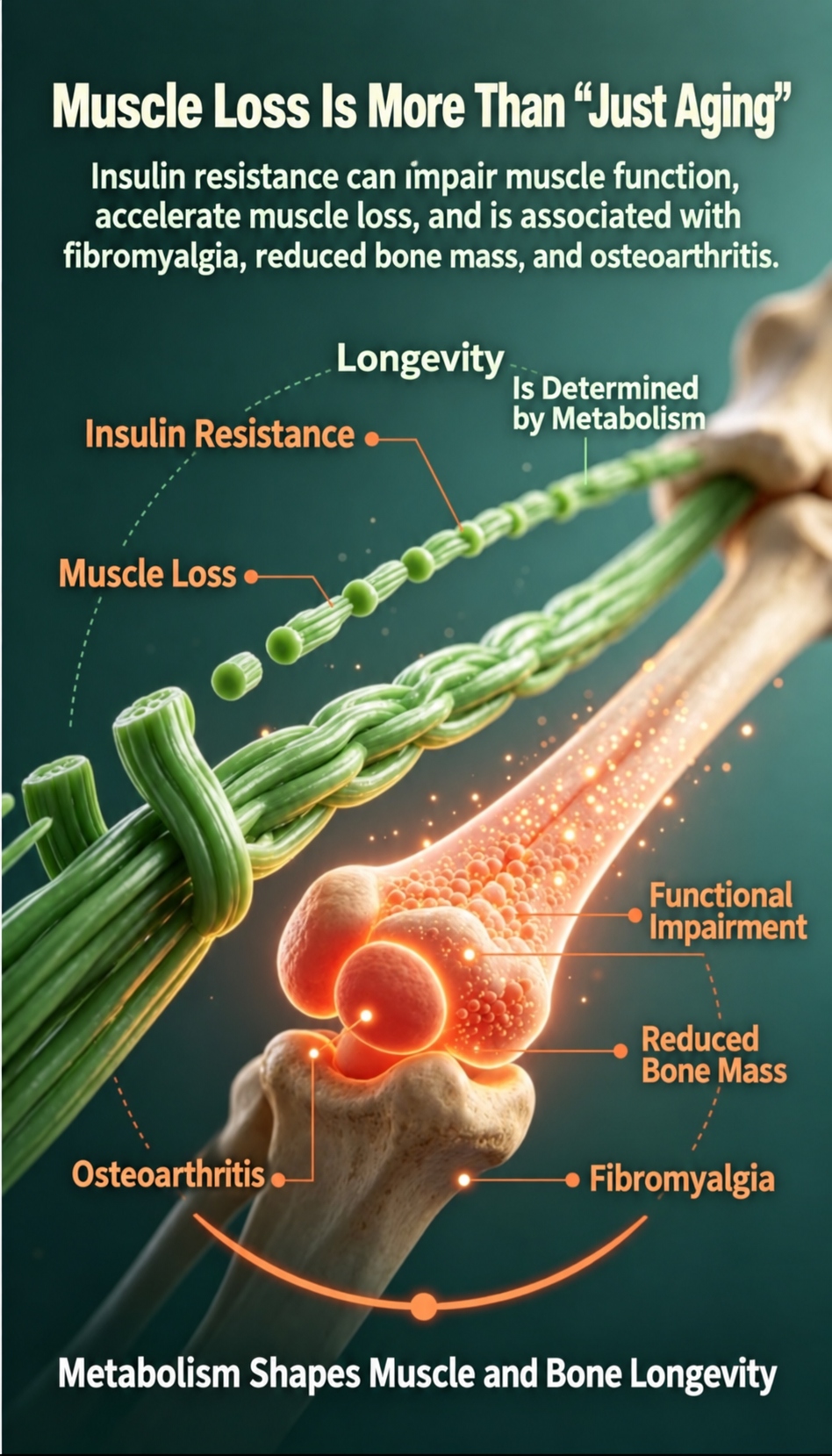
Diabetes Management Is About More Than Lowering Blood Sugar
The long-term goal of diabetes management is not simply to improve a number on a laboratory report. It is to reduce the risk of heart attack, stroke, kidney disease, retinopathy, nerve damage, and other serious complications.
Protecting the vascular system requires a comprehensive approach:
- Keep blood sugar stable and reduce major fluctuations.
- Manage blood pressure and cholesterol levels.
- Limit refined carbohydrates, sugary beverages, and ultra-processed foods.
- Eat more fiber-rich foods, including vegetables, legumes, and minimally processed whole grains.
- Exercise regularly, combining aerobic activity with resistance training.
- Avoid smoking and limit alcohol consumption.
- Improve sleep and manage chronic stress.
- Take prescribed medications and attend regular follow-up appointments.
The real danger of diabetes is not high blood sugar alone. It is the combined effect of high blood sugar, insulin resistance, inflammation, high blood pressure, and abnormal blood lipids on the entire vascular system.
Do not wait until chest pain, numbness, weakness, or other serious complications appear before taking action. The earlier metabolic problems are identified and properly managed, the greater the opportunity to protect the blood vessels, heart, and brain.
This website is intended for health education only and does not replace individualized medical diagnosis or treatment. If you experience chest pain, difficulty breathing, sudden facial drooping, weakness on one side of the body, slurred speech, confusion, or loss of consciousness, call 911 immediately.